Blog

  • International Feasibility Study: Evaluating Global Business Opportunities

    International Feasibility Study: Evaluating Global Business Opportunities

    Expanding a business into another country can create exciting opportunities, but international markets also bring unfamiliar regulations, customer preferences, competitors, costs, and economic conditions. Before investing significant resources, companies need to understand whether their proposed project is realistic and financially sustainable. An international feasibility study provides a structured way to evaluate these factors and determine whether a business idea has a reasonable foundation for entering a foreign market.

    What Is an International Feasibility Study?

    An international feasibility study is a detailed assessment of a proposed business, development, or investment project in an overseas market. It examines the commercial, financial, operational, legal, and market-related aspects of the opportunity. Rather than relying on assumptions, businesses can use research and analysis to understand potential challenges and opportunities before making major commitments.

    The study can be useful for companies planning international expansion, real estate developers, investors, manufacturers, hospitality businesses, and entrepreneurs. Its scope depends on the size and complexity of the proposed project.

    Understanding the Target Market

    One of the most important parts of the study is market analysis. Businesses need to understand the size of the target market, customer demand, purchasing behavior, demographic trends, and existing competition. Cultural differences can also influence how customers respond to products and services.

    Research should consider whether there is sufficient demand for the proposed offering and whether customers are willing to pay a price that supports the business model. Competitor analysis can further reveal gaps in the market and potential barriers to entry.

    Financial Feasibility and Investment Requirements

    Financial analysis helps investors understand how much capital may be required and what financial performance could look like. A feasibility study may examine startup costs, operating expenses, staffing requirements, taxes, financing costs, pricing, revenue projections, and expected profitability.

    Currency fluctuations are another important consideration when operating internationally. Exchange-rate movements can affect costs, revenues, debt obligations, and overall investment returns. Different financial scenarios can therefore help businesses understand how changing market conditions could affect the project.

    Legal and Regulatory Considerations

    Every country has its own laws, regulations, licensing requirements, tax structures, employment rules, and business registration procedures. Ignoring these requirements can create expensive delays or compliance problems.

    A feasibility study should identify relevant legal requirements before the project moves forward. Depending on the industry, businesses may also need to investigate import restrictions, environmental regulations, foreign ownership rules, intellectual property protection, and industry-specific permits.

    Operational and Cultural Factors

    International expansion involves more than financial calculations. Businesses must consider supply chains, transportation, technology, local suppliers, staffing, infrastructure, and communication. Operational challenges can become significant when a company is unfamiliar with local business practices.

    Cultural differences also deserve attention. Marketing messages, product preferences, customer service expectations, and negotiation styles may differ considerably between countries. Understanding these differences can help companies develop strategies that are better suited to local conditions.

    Identifying Risks and Opportunities

    A strong study should clearly identify both potential opportunities and risks. Political and economic changes, currency volatility, competition, supply-chain disruptions, regulatory changes, and changing consumer demand can influence international projects.

    Businesses can use scenario analysis to examine different possible outcomes. This allows decision-makers to consider how the project might perform under favorable, moderate, and challenging conditions rather than relying on a single forecast.

    Making an Informed Investment Decision

    The final stage brings the research together into a practical assessment. The study can summarize market potential, investment requirements, operating considerations, financial projections, regulatory requirements, and major risks.

    A global market feasibility analysis can therefore give investors and business leaders a clearer picture of the opportunity before they commit substantial resources. The findings may support moving forward, modifying the business model, conducting additional research, or delaying the project until market conditions improve.

    Conclusion

    International expansion requires careful planning because every foreign market has its own economic, legal, cultural, and competitive environment. A well-prepared feasibility study helps businesses replace assumptions with structured research and realistic financial analysis. By examining demand, costs, regulations, operations, competition, and risks, companies can develop a stronger understanding of what it takes to operate successfully in an international market.


  • Simple Ways to Make a Home Painting Project More Organised From Initial Planning to the Final Touches

    Simple Ways to Make a Home Painting Project More Organised From Initial Planning to the Final Touches

    A home painting project can quickly feel chaotic, with furniture piled in the middle of rooms, paint samples scattered across walls, and a timeline that keeps slipping, if it isn’t planned in stages. Homeowners in Ghaziabad who approach painting as a structured process, rather than a single event, tend to have a smoother experience with fewer surprises and less disruption to daily life.

    Stage 1: Define the Scope Clearly

    Before contacting any painting services, decide exactly what’s included in this round of work. Is it the entire home, specific rooms, or just touch-ups in high-traffic areas? Will ceilings, doors, grills and balconies be part of the project, or only walls? Being specific about scope from the start prevents confusion later and makes it much easier to get accurate, comparable quotes from different providers, since a vague brief often leads to vague, mismatched estimates.

    Stage 2: Assess Wall Condition Honestly

    Walk through your home and note visible issues, cracks, dampness patches, flaking paint, discolouration, before any painter arrives. This isn’t about diagnosing the problem yourself, but about having an honest starting point so you can discuss it clearly during a professional consultation. Homes that haven’t been repainted in five years or more often need more preparation work than a quick refresh, and knowing this in advance helps you budget realistically for home painting services rather than being caught off guard by additional charges for crack filling or damp treatment.

    Stage 3: Shortlist Colours and Finishes in Advance

    One of the biggest causes of delay in a house painting services project is indecision over colour once work has already started. Shortlist your preferred shades and finishes ahead of time, test samples directly on your walls under different lighting, and finalise your choices before painters arrive on-site. With thousands of shade options and hundreds of texture ideas typically available, narrowing things down early, rather than browsing catalogues while painters wait, keeps the project moving on schedule.

    Stage 4: Get a Detailed, Written Estimate

    Once scope and preferences are settled, request a written estimate that itemises material cost, labour cost, the number of coats, and any preparation work included. This is also the point to confirm the paint brand and category, since premium paints from trusted brands typically last longer even though they cost more upfront. A clear, transparent estimate at this stage prevents disputes over “extra” charges once work is underway.

    Stage 5: Plan for Practical Disruptions

    Painting inevitably disrupts daily routines to some degree. Plan for furniture to be moved or covered, decide which rooms will be painted first if you’re staying in the home during the project, and set aside adequate ventilation time, especially if anyone in the household is sensitive to paint odour. Agreeing on a realistic day-by-day schedule with your painting service in advance, rather than an open-ended timeline, helps you plan around the disruption instead of being surprised by it.

    Stage 6: Confirm Timelines and Communication

    Ask for a specific project timeline broken down by phase, preparation, priming, first coat, second coat, and finishing touches, so you know roughly what to expect each day. Establish a single point of contact for updates or concerns during the project, rather than having to chase different people for information. On-time project completion is far more achievable when both sides are working from the same clear schedule.

    Stage 7: Do a Thorough Final Walkthrough

    Before considering the project complete, walk through every room with the painting team in good daylight, checking corners, ceilings, skirting and areas around switchboards for missed spots or uneven finishing. Address any issues immediately while the team and materials are still on-site, rather than discovering problems weeks later. A reliable service will also stand behind a quality guarantee, addressing any issues that surface within a reasonable period after completion.

    Stage 8: Build in a Small Buffer

    Even well-planned projects can face minor delays due to weather, unexpected wall repairs discovered during prep, or drying time needed between coats. Building a small buffer of a day or two into your overall schedule, rather than planning around a tight best-case timeline, reduces stress if something takes slightly longer than expected. This is particularly relevant during humid months, when paint can take longer to dry properly between coats, affecting the overall pace of professional painting services.

    Bringing It Together

    An organised home painting project isn’t about controlling every detail yourself; it’s about sequencing decisions in the right order: scope, wall assessment, colour choices, written estimate, practical planning, timeline, and final walkthrough, so that professional painting services can execute efficiently without constant back-and-forth. This structured approach consistently leads to a smoother project, fewer surprises, and a finished result that matches what was actually planned from the start. 

  • When Home Repairs Can’t Wait: Finding Help You Can Count On

    When Home Repairs Can’t Wait: Finding Help You Can Count On

    Most household problems have a funny way of appearing at exactly the wrong moment. A pipe starts leaking late at night. The power suddenly disappears during an important family dinner. A heating system stops working just when the temperature drops.

    You can ignore a lot of things for a few hours. A dripping tap, perhaps. A loose cabinet handle, definitely. But some problems don’t give you that luxury. When water is spreading across the floor or an electrical fault leaves half the house without power, waiting until tomorrow can make a bad situation much worse.

    That’s when knowing who to call becomes incredibly useful. A dependable home service company can provide practical assistance when something unexpected happens, helping homeowners protect their property and get everyday life back on track.

    Not Every Problem Can Wait Until Morning

    Emergencies don’t follow business hours. That’s the first thing worth remembering.

    A burst pipe at midnight doesn’t care whether the contractor’s office closes at five. Neither does a serious electrical fault or a failed heating system during a cold night.

    Companies offering 24 hour emergency services can be particularly valuable in these situations. Around-the-clock availability means homeowners have somewhere to turn when a problem needs immediate attention rather than a place on tomorrow’s appointment list.

    Of course, not every inconvenience qualifies as an emergency. A dripping faucet probably isn’t worth waking a technician at 2 a.m. A major water leak, dangerous electrical issue or serious loss of heating or cooling may be a different story.

    When in doubt, prioritize safety first.

    The First Few Minutes Matter

    When something breaks, it’s easy to panic. That’s normal. But the first thing to do is usually stop the situation from getting worse.

    If there’s a significant water leak, shut off the appropriate water supply if you can do so safely. If you smell burning or notice signs of an electrical fault, avoid touching the affected equipment and follow appropriate safety procedures.

    For heating or cooling problems, check simple things such as the thermostat or circuit breaker only if doing so is safe and appropriate. Don’t start taking equipment apart because an online video made it look easy. Some repairs can create additional damage — or put you at risk.

    Once the immediate danger is controlled, contact a qualified professional.

    A Free Estimate Can Remove Some Guesswork

    One of the biggest concerns homeowners have when calling a repair company is cost.

    It’s difficult to make a sensible decision when you don’t know whether you’re facing a minor repair or a major replacement. That’s why asking for a free estimate can be useful when a company offers one.

    An estimate should give you a clearer idea of the expected work and cost before you commit. Ask whether labor, materials, service fees and additional work are included.

    Remember that an estimate isn’t always the final invoice. Hidden damage or unexpected complications can sometimes change the price. A reputable contractor should explain that possibility before starting significant additional work.

    Don’t be afraid to ask questions. It’s your home and your money.

    Experience Makes Troubleshooting Easier

    A professional repair technician does more than replace broken parts.

    Good troubleshooting involves figuring out why the problem happened in the first place. If a circuit keeps tripping, for example, repeatedly resetting the breaker doesn’t solve the underlying issue. If a heating system keeps shutting down, replacing one component without checking the rest of the system may only postpone the next failure.

    Experienced technicians know how to inspect symptoms, test equipment and identify potential causes.

    That experience can save time. It can also prevent homeowners from paying for unnecessary parts or repairs.

    Good Communication Is Part of Good Service

    Technical ability isn’t the only thing that matters.

    Imagine calling a contractor about a serious problem and getting a vague answer filled with jargon. You’re left wondering what failed, what needs to happen next and how much it’s going to cost.

    Not exactly reassuring.

    A good service provider should explain the situation in ordinary language. You should understand the recommended repair, why it’s necessary and what might happen if you delay it.

    That doesn’t mean the technician needs to give you a ten-minute engineering lecture. A clear explanation is enough.

    Don’t Let a Small Problem Become a Major One

    Emergency calls often begin with something that seemed minor.

    A slow leak becomes a flooded cabinet. A strange electrical smell becomes a complete circuit failure. An unusual HVAC noise turns into a system that won’t start.

    This is why homeowners should pay attention to changes in how equipment behaves.

    Unusual sounds, odors, leaks, inconsistent temperatures and repeated electrical interruptions are worth investigating. They don’t always indicate a major failure, but ignoring them indefinitely isn’t a great strategy.

    Think of it like a car making a strange noise. You can turn up the radio, but that doesn’t fix the engine.

    Quality Repairs Should Last

    A temporary fix can be useful during an emergency, but the long-term goal should be a proper repair.

    Ask whether the work comes with a warranty and what it covers. Find out whether replacement parts are new or refurbished when that distinction matters. If the contractor recommends replacing an entire system, ask whether repair is still a reasonable option.

    You don’t necessarily need the most expensive solution.

    You need one that’s safe, appropriate and likely to solve the problem.

    Reviews Can Tell You What Advertising Doesn’t

    Every service company says it cares about customers. Reviews can give you a better idea of whether that’s actually true.

    Look for comments about punctuality, communication, workmanship and pricing. Pay attention to repeated themes rather than one unusually positive or negative review.

    Recommendations from friends, neighbors or colleagues can also be valuable because they come from people who have actually experienced the service.

    That said, no company will have a perfect record. What matters is how they respond when something goes wrong.

    Customer Service Matters After the Repair

    The relationship shouldn’t necessarily end when the technician packs up the tools.

    A company that takes customer satisfaction seriously should be willing to address legitimate concerns about completed work. Clear warranties and follow-up policies can provide extra confidence, particularly when the repair involves expensive equipment.

    Good customer service doesn’t mean agreeing to every request. It means communicating honestly, standing behind legitimate workmanship and treating people respectfully.

    That’s something homeowners remember.

    Preventive Care Can Reduce Emergency Calls

    Emergency services are important, but the best emergency is often the one you never have to make.

    Routine inspections and maintenance can help identify developing problems before they become urgent. HVAC systems, plumbing components, electrical equipment and other household systems all benefit from appropriate care.

    Keep basic maintenance records. Replace filters when recommended. Don’t ignore small leaks. Have older equipment inspected periodically.

    These aren’t exciting jobs, admittedly. But they can be much cheaper than dealing with a major failure at an inconvenient time.

    Be Prepared Before You Need Help

    It’s worth finding a dependable service provider before your home experiences a serious problem.

    Save the company’s contact information somewhere accessible. Understand whether emergency calls are available. Ask about estimates, warranties and service areas before you actually need them.

    That way, if something goes wrong late at night, you aren’t frantically searching through your phone while water is pouring onto the floor.

    A little preparation goes a long way.

    Reliable Help Brings Peace of Mind

    Home repairs are part of owning a property. Something will eventually break. That’s just how houses work.

    What you can control is how prepared you are when it happens.

    Choose professionals carefully, ask sensible questions, deal with warning signs early and don’t make decisions based solely on the cheapest quote. A trustworthy repair company should offer more than technical work. It should offer clear communication, honest recommendations and dependable support when you need it.

    Because when a genuine emergency happens, the last thing you want is another problem to solve.

    You want someone who answers the phone, understands the situation and knows what to do next. And honestly, that kind of peace of mind is worth planning for.

  • How Regular Water Care Keeps Your Home’s Water Clean and Reliable

    How Regular Water Care Keeps Your Home’s Water Clean and Reliable

    Clean water is something most households expect without giving it much thought. Turn on the tap, fill a glass, start the washing machine, or step into the shower—it should all work without a second thought. But water quality can change over time, and even a well-designed filtration or softening system may not perform properly if it isn’t checked and maintained.

    Water treatment is not a one-time purchase. It’s an ongoing process that involves understanding your water, choosing suitable equipment, and making sure that equipment continues to work as intended. Whether you rely on well water or a municipal supply, regular attention can help protect your plumbing, improve taste and odor, and prevent small issues from becoming expensive headaches.

    Why Water Quality Can Change Over Time

    Water conditions are not always consistent. With private wells, seasonal rainfall, drought, flooding, nearby construction, agricultural activity, and changes in groundwater levels can influence water chemistry. A well that tested normally several years ago may develop new concerns later.

    Municipal water is treated before it reaches homes, but its quality can still be affected by aging pipes, plumbing materials, storage tanks, or changes in the local supply. Disinfectants such as chlorine may also create taste and odor concerns, while sediment and mineral content can vary depending on the area.

    That’s why water testing should be considered an important part of household water care. Testing can help identify concerns such as hardness, iron, sulfur, chlorine, pH imbalance, bacteria, nitrates, or other contaminants. The right testing schedule depends on the water source and local conditions, but private well owners should be especially attentive and arrange testing when there is a noticeable change in taste, smell, color, or appearance.

    A Treatment System Needs More Than Installation

    Many homeowners assume that once a water softener, filter, or reverse osmosis unit has been installed, the work is finished. In reality, every treatment system contains components that wear down, collect debris, or require periodic attention. Filters become saturated, tanks need inspection, and certain systems must be cleaned or regenerated.

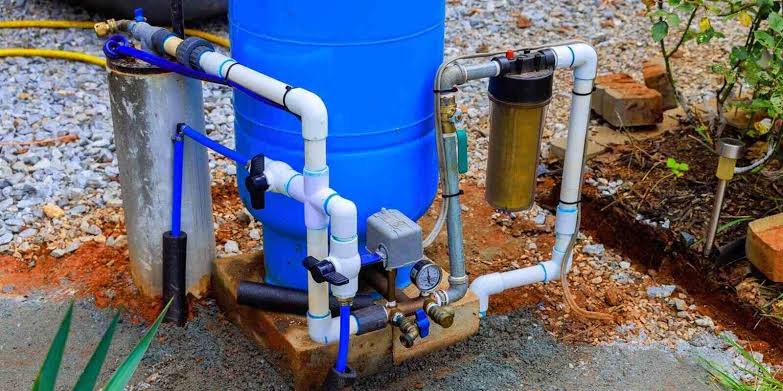
    This is where water treatment system maintenance becomes essential. Maintenance may include replacing filter cartridges, checking pressure levels, cleaning components, inspecting valves, testing water quality, sanitizing storage tanks, and reviewing the system’s overall performance.

    The specific tasks depend on the equipment. A carbon filter may need media replacement after a certain volume of water has passed through it. A water softener may require salt replenishment, resin-bed checks, and valve inspections. Reverse osmosis systems often need several filters replaced at different intervals, while UV systems require lamp replacement and quartz sleeve cleaning.

    Skipping these tasks can reduce water quality and shorten the life of the equipment. In some cases, an ignored maintenance issue can also cause leaks or place unnecessary strain on the home’s plumbing.

    Signs Your Water Treatment Equipment Needs Attention

    Water treatment systems often provide warning signs before they stop working completely. Paying attention to these clues can help homeowners address problems early.

    One common sign is a return of the original water issue. For example, hard water spots may begin appearing on glassware again, soap may stop lathering properly, or laundry may feel rough after washing. If a filter was installed to reduce chlorine taste or odor, a noticeable change in drinking water may indicate that the filter media is nearing the end of its useful life.

    Reduced water pressure can also be a warning sign. A clogged sediment filter may restrict flow, while a problem with a valve, pump, or membrane can affect performance. Strange noises, frequent system cycling, unusual odors, or visible leaks should not be ignored.

    Sometimes, the issue is not the treatment equipment itself. Changes in incoming water quality, increased household water use, or incorrect system sizing can also affect results. A professional inspection can help separate these possibilities instead of relying on guesswork.

    Renting a Water Treatment System Can Offer Flexibility

    Buying a water treatment system outright is not always the preferred option for every household. Some people may be renting a home, managing a temporary living arrangement, testing a treatment method, or trying to avoid a large upfront expense. In these situations, water treatment system rentals may provide a practical alternative.

    Rental programs can allow homeowners or tenants to use treatment equipment for a regular monthly payment rather than purchasing the entire system immediately. Depending on the provider, the agreement may include installation, maintenance, service visits, or replacement parts. However, the details vary, so it’s important to understand what is included before signing a contract.

    Ask whether the rental covers repairs, how often maintenance is performed, whether there are long-term commitments, and what happens if you move. Also check whether the equipment remains the provider’s property and whether there are fees for cancellation or relocation.

    Renting can be especially useful when someone wants to experience the benefits of treated water before making a permanent investment. It may also be suitable for households that prefer predictable service costs.

    The Importance of Professional Service

    Some basic tasks, such as adding salt to a softener or changing a standard filter cartridge, can often be handled by homeowners. Still, more complex systems may require professional attention. Incorrect installation, poor calibration, or unsuitable replacement parts can reduce performance and potentially damage the equipment.

    A trained technician can inspect the system, check water pressure, examine connections, evaluate treatment media, and confirm that the equipment is properly sized for the home. They can also identify problems that may not be obvious, such as channeling in a filter bed, exhausted media, bacterial growth, or incorrect regeneration settings.

    Professional service is particularly valuable when water quality changes suddenly or when a system is no longer producing the results it once did. Rather than replacing the entire unit immediately, a technician may find that a smaller repair or adjustment is enough.

    Creating a Simple Maintenance Routine

    A practical maintenance routine doesn’t need to be complicated. Start by keeping a record of the system’s installation date, filter replacement dates, service visits, and any changes in water quality. This makes it easier to remember upcoming tasks and notice patterns.

    Follow the manufacturer’s recommended schedule, but don’t treat it as a strict substitute for observation. Heavy water use, poor incoming water quality, and unusual conditions may require more frequent service. If your household uses more water than average, filters may become exhausted sooner than expected.

    It’s also wise to inspect the area around the equipment occasionally. Look for moisture, corrosion, unusual sounds, salt bridging, or blocked drains. A few minutes of attention can help identify a developing issue before it turns into a larger repair.

    Making Water Quality a Long-Term Priority

    Reliable water treatment is about more than improving taste or preventing stains. It can help protect appliances, reduce plumbing stress, support household comfort, and provide greater confidence in the water used every day.

    The most effective approach combines regular testing, suitable equipment, timely maintenance, and informed decisions about ownership or rental options. Whether you already have a treatment system or are considering one for the first time, don’t wait until the water becomes unpleasant to take action.

    A little care goes a long way. When your water treatment equipment is properly maintained and regularly evaluated, clean and dependable water becomes less of a concern—and more of a normal part of daily life.

  • Choosing the Right Water Treatment for Your Home or Business

    Choosing the Right Water Treatment for Your Home or Business

    Water is easy to overlook when it works exactly as it should. You turn on the faucet, fill a glass, take a shower, and get on with your day. But when there’s a strange taste, mineral buildup around the sink, staining on laundry, or an unpleasant odor, suddenly that clear liquid becomes something you think about quite a bit.

    The good news is that water treatment doesn’t have to be mysterious. There are different systems designed for different water-quality concerns, and the best choice usually starts with understanding the water you actually have rather than buying the most expensive equipment available.

    That distinction matters whether you’re looking after a family home, a rental property, a small office, or a much larger commercial facility.

    Start by Understanding Your Water Source

    The first question is fairly simple: where does your water come from?

    Municipal water supplies are treated before they reach most properties, while private wells require homeowners to take a more active role in monitoring water quality. Even within a public water system, the characteristics of water can vary based on local infrastructure, plumbing, and other factors.

    Well water deserves particular attention because its quality can change over time. Groundwater may contain minerals, sediment, iron, sulfur compounds, or other substances that affect taste, odor, appearance, and sometimes suitability for use.

    If your property relies on a private well, well water treatment should begin with appropriate testing. Once you know what’s actually present, it becomes much easier to choose equipment that addresses the problem instead of guessing.

    Testing Is the Smart First Step

    It’s tempting to shop for a filter as soon as something seems unusual. A cloudy glass of water or white scale on a faucet can send homeowners straight to the internet looking for answers.

    But water problems aren’t always as straightforward as they look.

    Hardness, for example, can cause scale and affect soap performance, while other water-quality issues may have completely different solutions. A filter designed to reduce sediment won’t necessarily solve a problem caused by dissolved minerals.

    Water testing gives you a baseline. Depending on your water source and concerns, testing may examine hardness, pH, iron, manganese, chlorine, sediment, or other characteristics.

    For private wells, periodic testing is especially important because water conditions can change with seasons, weather, land use, and other factors.

    It isn’t glamorous, but knowing what’s in the water is far better than throwing money at random equipment.

    What Residential Water Treatment Can Actually Do

    For homeowners, water treatment is often about improving everyday comfort as much as anything else.

    Hard water can leave stubborn deposits on faucets and shower doors. It may contribute to scale inside water heaters and appliances. Certain substances can affect taste or odor, making drinking water less appealing.

    A properly selected residential water treatment system can address specific concerns throughout the home or at individual points of use.

    Whole-home systems treat water as it enters the property, while point-of-use systems focus on places such as the kitchen sink. A water softener, meanwhile, serves a different purpose from a drinking-water filtration system.

    Understanding these distinctions helps homeowners avoid a common mistake: expecting one device to do everything.

    It usually can’t.

    Different Treatment Technologies Have Different Jobs

    Water treatment isn’t one single technology. There are several approaches, and each has a particular role.

    Sediment filters are designed to capture particles. Carbon filtration is commonly used to improve taste and reduce certain odors. Water softeners are intended to reduce hardness. Reverse osmosis systems use a membrane-based process and are often installed for drinking-water treatment.

    There are also specialized systems for specific water-quality conditions.

    The important thing is matching the treatment method to the problem.

    If a homeowner has mild taste and odor concerns, an elaborate treatment setup may be unnecessary. If testing reveals several water-quality issues, a more comprehensive approach could make sense.

    A qualified professional can help interpret test results and explain the trade-offs between different systems.

    Businesses Have Different Water Needs

    A home and a business don’t use water in quite the same way.

    An office might primarily need reliable drinking and restroom water. A restaurant may have concerns involving food preparation, dishwashing, equipment, and customer expectations. A manufacturing facility could have much more specialized requirements.

    That’s where commercial water treatment becomes a different conversation.

    Flow rates, operating hours, equipment requirements, local regulations, maintenance schedules, and water chemistry can all influence system selection. A commercial system needs to be sized appropriately for demand rather than simply scaled up from a residential product.

    Businesses also have another concern that homeowners may not think about as much: downtime.

    If treatment equipment fails in a commercial setting, it can interfere with normal operations. Preventive maintenance and dependable service therefore become part of the overall investment.

    Maintenance Isn’t Optional

    No water treatment system works indefinitely without attention.

    Filters become saturated. Resin can require servicing. Membranes eventually need replacement. Valves, pumps, tanks, and fittings can wear out.

    The maintenance schedule depends on the type of equipment and the condition of the incoming water. That’s why following manufacturer recommendations is important.

    It’s also worth keeping simple records. Write down filter replacement dates, inspections, repairs, and any noticeable changes in performance.

    This may sound overly organized, but when something goes wrong a year later, you’ll be glad you know what was done and when.

    Watch for Changes in Performance

    Your water system can give you clues before it fails completely.

    A sudden drop in water pressure, unusual noises, persistent leaks, changes in taste or odor, or visible buildup can all be reasons to investigate.

    Sometimes the solution is simple. A filter may simply be overdue for replacement. In other cases, a component may need professional attention.

    Don’t assume that reduced performance means the entire system needs replacing. A proper inspection can help determine whether the problem is maintenance-related, mechanical, or something affecting the water itself.

    Think About the Long-Term Cost

    When comparing systems, don’t look only at the installation price.

    Ask about replacement filters, electricity or water usage, routine maintenance, repairs, warranties, and the expected lifespan of major components.

    A low-cost system can become expensive if replacement parts are hard to find or maintenance is frequent. At the same time, an oversized system can waste money if its extra capacity isn’t actually needed.

    The best value is usually somewhere in the middle: equipment that solves the problem reliably without adding unnecessary complexity.

    Better Water Starts With Better Information

    Ultimately, choosing a water treatment system isn’t really about finding the fanciest equipment. It’s about understanding your water and making a sensible decision based on evidence.

    Test first. Identify the problem. Consider how much water your household or business actually uses. Think about maintenance and long-term costs. And if you’re unsure, get advice from someone who can explain the options without drowning you in technical language.

    Clean, dependable water is one of those things that quietly improves daily life. You notice it in the shower, in the kitchen, in your coffee, and even in how long your appliances last.

    A thoughtful water treatment plan won’t necessarily be the most complicated one. Often, it’s simply the one that fits your property, your water, and your routine — and keeps doing its job long after the installation crew has packed up and left.

  • How Digital PR Services Are Changing the Way Brands Build Visibility

    How Digital PR Services Are Changing the Way Brands Build Visibility

    The way people discover and evaluate brands has changed significantly. A company can now be discussed in online publications, searched on Google, shared across social platforms, and referenced by industry websites within the same news cycle.

    This has made PR increasingly connected to the digital environment. Modern PR combines traditional media relationships with online opportunities to help brands reach relevant audiences.

    What Is Digital PR?

    Digital PR services focus on building online visibility and strengthening a brand’s reputation through digital publications, online media coverage, expert commentary, content, and relationship building.

    The objective is not simply to create links or generate mentions. Effective digital PR focuses on earning attention from relevant audiences and establishing credibility through valuable stories and information.

    Why Online Media Matters

    A strong media placement can reach people long after the original story is published. Someone researching a company, product, or industry topic may discover that coverage through search engines months later.

    Digital PR can therefore support both immediate visibility and longer-term brand discovery.

    For businesses operating in competitive markets, this creates opportunities to position executives and organizations as knowledgeable voices within their industries.

    Combining PR With a Digital Mindset

    Traditional PR principles still matter. Understanding journalists, developing strong stories, and providing useful information remain central to successful media outreach.

    However, digital channels have expanded the possibilities.

    A campaign might involve online publications, industry websites, interviews, expert commentary, and other digital opportunities. These channels can work together to create a more consistent brand presence.

    Finding the Right Agency

    Businesses looking for a vancouver pr agency should consider more than the number of media placements an agency can deliver. It is useful to understand how the team develops stories, identifies opportunities, and connects PR activity with the brand’s wider objectives.

    A good PR partner should also understand that every business has a different audience. A technology company, hospitality brand, professional service, or consumer business may require completely different media strategies.

    The Role of a PR Firm

    A pr firm can bring an external perspective to a company’s communication strategy. This can be particularly useful when internal teams have limited time or need support identifying relevant media opportunities.

    The agency can help turn company expertise, announcements, research, and industry knowledge into stories that are more relevant to external audiences.

    Digital PR is ultimately about more than online exposure. It is about building credibility in the places where audiences already research, discover, and discuss brands.

    For businesses looking to strengthen their visibility through strategic communication, partnering with an experienced PR agency can help connect traditional public relations expertise with the opportunities created by today’s digital media landscape.

  • The Hidden Signs of Anxiety You Might Not Recognize

    The Hidden Signs of Anxiety You Might Not Recognize

    Anxiety is a usual reaction of a person toward stressful, uncertain situations and conditions perceived as dangerous. Every individual feels worried or nervous sometimes. But when anxiety tends to be permanent, uncontrollable, and starts affecting one’s daily functioning, it requires further consideration. Anxiety does not necessarily manifest itself in panic attacks. It can be manifested by small shifts in one’s thinking, emotions, bodily sensations, sleeping patterns, or behavior.

    What Does Everyday Anxiety Look Like

    Anxiety in daily life can manifest in various ways for individuals. The experience of temporary worry is part and parcel of being alive, but persistent anxiety may be more intense, happen more frequently, and be harder to cope with. For some people seeking social interaction or companionship, including those connecting with Hyderabad escorts, anxiety can sometimes influence how they approach new experiences. A single symptom by itself may not suggest an anxiety disorder; rather, it would be helpful to think about the frequency of the symptoms, their duration, their intensity, and their impact on your day-to-day life.

    Everyday Signs of Anxiety You Shouldn’t Ignore

    1. Constant or Excessive Worry

    Do you find yourself worried all the time even though nothing has happened yet? The constant worrying about work, personal life, health, money, or general duties is what makes it hard to relax. When your mind keeps running from one worry to another, making it impossible to switch them off, there’s a good chance it’s worth noting.

    2. Feeling Restless or On Edge

    Anxiety keeps you on constant alert, or makes you feel restless and unable to relax. You could also experience feeling uneasy and threatened by an impending disaster when there’s nothing to be afraid of. This type of fear prevents you from enjoying solitude.

    3. Trouble Concentrating

    Thought racing or repetitive thinking can make concentration difficult for you. You may experience yourself reading things over and over, forgetting things, making decisions difficult, and even doing simple daily tasks. It becomes hard for you to concentrate when you keep on getting drawn to your worries, so taking a break and enjoying a change of pace with Chennai escorts can help you step away from those distracting thoughts.

    4. Sleep Problems

    There exists a complicated link between anxiety and insomnia. It can be hard for you to fall asleep due to anxiety, or you may wake up in the middle of the night or even wake up with anxiety. Lack of sleep will, in turn, affect your capacity to cope with stress and anxiety.

    5. Physical Symptoms

    Anxiety not only affects the psychological aspect of a person but also the physical aspect of their life. There are various symptoms such as muscular tension, sweating, shivering, increased heartbeat, headaches, stomach disorders, and breathing problems that a person may experience due to anxiety. But all these symptoms may be caused by other things as well.

    6. Avoiding Everyday Situations

    Though it may seem to be easy and simple to stay away from some scenarios because of anxiety, in the long run, this way of doing things will not do you any good. You will find yourself avoiding social events, travel, interaction, and other obligations.

    7. Irritability or Feeling Easily Overwhelmed

    Anxiety influences your emotional responses to normal daily stressors. With your brain already preoccupied with anxiety issues, even minor concerns can seem very difficult to cope with. This could lead to you becoming very irritable or emotional.

    When Should You Consider Seeking Help

    Consulting a mental health professional should be considered if your anxiety persists, becomes increasingly hard to cope with, or interferes with your sleep, work, relationships, or other activities. For some people, even experiences involving personal companionship, such as meeting Birmingham escorts, can bring up emotions or concerns that may be worth discussing with a professional. This step does not reflect any sort of weakness on your part. The role of a mental health professional is to help you understand what you may be experiencing and the best way to deal with it.

    It is not wise to automatically attribute physical symptoms to anxiety. Consultation with the relevant professional is necessary under such circumstances.

    Final Thoughts

    Anxiety does not always reveal itself in the form of acute fear and panic attacks. In some cases, the symptoms of anxiety manifest themselves as excessive worrying, insomnia, inability to concentrate, body pains, avoidance behaviors, and feeling overwhelmed. Knowing that there are various signs of anxiety is one of the necessary first steps. It may be helpful to seek professional help if your anxiety interferes with your daily activities.

  • Moving With Pets: A Practical Guide to Keeping Animals Calm and Safe

    Moving With Pets: A Practical Guide to Keeping Animals Calm and Safe

    Dogs bark at unfamiliar footsteps, cats disappear the moment a suitcase comes out, and even the calmest rabbit can get unsettled by a house full of boxes and strangers carrying furniture. Pets don’t understand why their world is suddenly being packed into a van, and that confusion can translate into real stress for them during a move. This guide focuses specifically on how to plan a house move around your pets’ needs, covering preparation, moving day itself, and helping animals settle into an unfamiliar home afterward.

    Why Moving Is Genuinely Stressful for Pets

    Animals rely heavily on routine and familiar surroundings, and a house move disrupts both at once. Strange noises, unfamiliar people in the house, furniture disappearing piece by piece, and eventually an entirely new environment all add up to a lot of change in a short space of time. Cats in particular are known for being sensitive to environmental disruption, while dogs often pick up on their owner’s stress levels, which can compound their own anxiety during the process.

    None of this means moving with pets needs to be traumatic for them, but it does mean a bit of extra planning pays off considerably.

    Preparing Pets in the Weeks Before the Move

    Keep Routines as Normal as Possible

    In the lead-up to moving day, try to maintain regular feeding times, walks, and general routine for as long as practical, even as packing ramps up around the house. Consistency in these smaller details helps offset some of the disruption building around them.

    Introduce Moving Boxes Gradually

    If possible, start bringing boxes into the house a little earlier than strictly necessary, giving pets time to get used to their presence rather than encountering a sudden transformation of their environment all at once.

    Update Identification Details Early

    Make sure microchip details are updated with your new address before the move, and update any physical identification tags as soon as you have a confirmed new address. This matters particularly if a pet becomes startled and bolts during the chaos of moving day itself.

    Visit the Vet if Needed

    For anxious pets, or those with specific health considerations, a conversation with your vet ahead of the move can be worthwhile, particularly regarding any support available for managing travel or environmental stress during the transition.

    Managing Moving Day Itself

    Moving day is usually the most disruptive part of the entire process for pets, given the noise, unfamiliar people, and repeatedly open doors.

    • Keep pets in a quiet, closed room away from the main loading activity, ideally with familiar bedding, water, and a litter tray if relevant.
    • Consider arranging for pets to stay elsewhere during the busiest hours, whether with a friend, family member, or a pet sitting service, particularly for especially anxious animals.
    • Keep a “do not disturb” sign on the door of wherever pets are kept, ensuring removal staff and anyone else in the house knows not to open it accidentally.
    • Avoid feeding a large meal right before travel, particularly for car journeys, to reduce the risk of travel sickness.

    A removal company offering Removals Portsmouth UK services that regularly deals with residential house moves should be accustomed to working around pets remaining in the property, and it’s worth mentioning this directly when booking so the crew is aware and can plan accordingly.

    Transporting Pets to the New Home

    How pets travel to the new property depends on the distance involved and the specific animal.

    Short Local Moves

    For nearby relocations, transporting pets in their usual carrier or crate by car is typically the simplest approach, ideally timed so they arrive after the bulk of the unloading has finished, reducing the immediate chaos they’re introduced to.

    Longer Distance Moves

    For moves spanning a greater distance, plan regular breaks for dogs needing toilet stops, and ensure carriers are secure and well-ventilated throughout the journey. Cats generally travel more calmly if kept in a covered carrier, reducing visual stimulation during the trip.

    Specialist Pet Transport

    For particularly long-distance moves, or pets that struggle significantly with travel, some specialist services exist specifically for transporting animals separately from the main household move, which is worth researching if standard car travel seems likely to cause excessive stress.

    Helping Pets Settle Into a New Home

    The adjustment period doesn’t end once you’ve arrived. Pets often need time and a careful introduction to feel comfortable in an unfamiliar space.

    • Set up one room first with familiar bedding, food, and water, allowing pets a defined, secure space before giving them access to the whole house.
    • Introduce new areas gradually, particularly for cats, who often benefit from a slower, room-by-room introduction rather than immediate full access.
    • Maintain familiar routines immediately, including regular feeding times and, for dogs, familiar walking times if possible.
    • Watch for signs of prolonged stress, such as excessive hiding, appetite changes, or unusual behaviour, and consult a vet if these persist beyond the first couple of weeks.

    Considerations for City Moves With Pets

    Urban moves introduce specific challenges for pet owners, particularly around outdoor space and access to secure areas for dogs and cats to explore safely.

    For anyone relocating with pets and researching Manchester Removal Services, it’s worth checking in advance whether the new property has secure outdoor space, and if not, planning how dogs will get adequate exercise in a city environment with more limited immediate access to open ground. Cats moving into flats, particularly higher floors, may also need consideration around window and balcony security before being given access to explore independently.

    Common Mistakes When Moving With Pets

    • Not updating identification details before the move, risking difficulty if a pet goes missing during the transition.
    • Introducing pets to the new home too quickly, overwhelming them with unrestricted access before they’ve had time to adjust gradually.
    • Forgetting essential supplies during the journey, such as water, medication, or comfort items.
    • Underestimating how long adjustment can take, particularly for cats, who sometimes need several weeks to feel fully settled.
    • Not mentioning pets to the removal company in advance, missing the chance to plan around them properly on the day.

    Frequently Asked Questions

    How can I keep my dog calm during a house move?

    Keeping routines as normal as possible beforehand, providing a quiet space away from the main activity on moving day, and maintaining familiar walks and feeding times all help reduce anxiety.

    Should I update my pet’s microchip details before or after moving?

    Ideally before, or as soon as possible once you have a confirmed new address, particularly important in case a pet becomes startled and escapes during the move itself.

    How long does it typically take for a cat to settle into a new home?

    This varies considerably, but several weeks is common, particularly if a gradual room-by-room introduction is used rather than immediate full access to the property.

    Is it better to keep pets in the house or arrange alternative care on moving day?

    This depends on the individual animal. Particularly anxious pets often do better with alternative care during the busiest hours, while calmer pets may be fine in a quiet, closed room.

    What should I pack specifically for my pet on moving day?

    Food, water, medication if relevant, familiar bedding, and any comfort items, kept easily accessible rather than packed away with general household boxes.

    Should I tell my removal company that I have pets in the house?

    Yes, it’s worth mentioning directly when booking, so the crew is aware and can work carefully around doors and access points throughout the day.

    Moving with pets adds a layer of care to an already busy process, but a bit of thoughtful preparation makes a genuine difference to how well animals handle the transition. Keep routines consistent where possible, plan moving day with their comfort specifically in mind, and give them time to adjust gradually once you’ve arrived. Handled with a little patience, most pets settle into a new home far more easily than the chaos of moving day might initially suggest.

  • Silver Rate: What’s Driving the Price Today

    Silver Rate: What’s Driving the Price Today

    Anyone checking the Silver Rate Today is essentially looking at the outcome of several moving parts working together, from global commodity trends to domestic currency movements. Unlike a fixed-value asset, silver’s price is shaped daily by a mix of international market cues, industrial demand signals, and local buying patterns. Alongside this, many investors also glance at the Sensex Today, since equity market movements often carry information about broader investor sentiment that indirectly influences how bullion is priced and perceived on any given day.

    The International Starting Point

    Silver’s price journey typically begins in global commodity markets, where it trades in dollar terms. Exchanges abroad set the base international price, which then gets adjusted for the Indian market through currency conversion, import duties, and other local costs. This means that even before domestic factors come into play, the day’s silver price already carries the imprint of overnight movements in international markets.

    A key driver at the global level is monetary policy expectation. When central banks signal a pause in rate hikes or hint at future cuts, silver often benefits, since it becomes relatively more attractive compared to interest-bearing assets when the cost of holding non-yielding investments falls. Conversely, signals of continued tightening can weigh on prices as investors shift preference toward yield-generating instruments.

    Global economic data releases, such as manufacturing indices, inflation figures, and employment numbers from major economies, also feed into daily price formation. These indicators shape expectations about future monetary policy and economic growth, both of which have a bearing on how silver is priced on any particular trading day.

    Currency Movements and Domestic Pricing

    Once the international price is set, the rupee-dollar exchange rate becomes the next major factor in determining the Silver Rate Today within India. Since silver is imported and priced in dollars, a weaker rupee makes silver costlier in domestic terms, even if the international price has not changed significantly. On days when the rupee strengthens against the dollar, the opposite effect can be observed, with domestic prices softening even amid stable global rates.

    This currency link means that silver price movements on a given day are not solely a reflection of the metal’s global demand-supply balance, but also of broader currency market dynamics, which are themselves influenced by capital flows, trade balances, and interest rate differentials between India and other major economies.

    Industrial Demand as a Daily Influence

    Silver’s dual role as both a precious metal and an industrial input adds another dimension to its daily pricing. Demand from sectors such as electronics manufacturing, solar energy, and various industrial applications creates a demand base that operates somewhat independently of investment sentiment. On days when industrial demand data or manufacturing activity reports are released, silver prices can react, reflecting expectations about future consumption from these sectors.

    This industrial component is part of what distinguishes silver’s price behaviour from gold, which is used predominantly for investment and jewellery purposes. As a result, silver can sometimes show more day-to-day volatility, responding to a broader set of triggers.

    The Equity Market Connection

    While silver and equities represent different asset classes, tracking the Sensex Today alongside the Silver Rate Today offers useful context for understanding overall market mood. On days when equity markets face selling pressure due to global uncertainty or domestic concerns, some investors reallocate a portion of their holdings toward precious metals as a defensive measure, which can support silver prices even as equity indices decline.

    On days when equity markets rally on positive earnings or favourable economic data, investor preference may shift back toward growth assets, potentially moderating demand for bullion. That said, this relationship is not fixed, and there are periods when both equities and silver move in the same direction, particularly during phases of broad economic optimism or when both are responding to the same underlying macroeconomic trigger, such as a change in interest rate expectations.

    Local Demand and Seasonal Patterns

    On top of global and currency-driven factors, local demand conditions in India also play a role in daily price formation. Physical buying for jewellery, utensils, and gifting purposes tends to pick up around specific festivals and wedding seasons, which can create short-term premiums in certain markets. Regional variations in demand, along with differences in local taxes and dealer margins, mean that the exact price consumers see can vary slightly across different parts of the country.

    Conclusion

    The Silver Rate Today on any given day is the result of a layered process, starting with international commodity pricing and moving through currency adjustments, industrial demand signals, and domestic buying patterns. Observing this alongside the Sensex Today helps build a fuller picture of the broader financial environment, since both are shaped by overlapping economic forces even though they represent different asset classes. For investors and consumers alike, understanding these underlying drivers offers more clarity than focusing on a single day’s price movement in isolation.

    Disclaimer: This article is for educational and informational purposes only and should not be considered investment advice. Investments are subject to market risks. Past performance does not guarantee future returns. Investors should assess their financial goals and risk appetite and consult a qualified financial advisor before making investment decisions.

  • What Steps Will Transform Your Life in 30 Days?

    What Steps Will Transform Your Life in 30 Days?

    Ever feel stuck staring at a blank page, wishing you could spark your creativity and get your content flowing? Imagine what you could accomplish if you focused on content creation for just 30 days. It might sound like a challenge, but with dedication and a few smart strategies, you’ll be amazed at the progress you can make in a single month.

    Real transformation doesn’t happen overnight, but 30 days is plenty of time to experiment, find your voice, and build habits that will keep your ideas coming long after the month is over. Ready to dive in? Here’s how you can supercharge your content creation in only 30 days.

    Define Your Vision and Goals

    Transformation begins with clarity. Spend day one mapping out what you want to achieve. Do you want to be healthier, more productive, or happier? Write down specific, measurable goals. For example, instead of “get fit,” aim for “exercise for 30 minutes five days a week.” Be honest with yourself about why these changes matter, as Surat call girls may have different motivations and personal goals for making positive changes. A clear vision will keep you motivated.

    Start Small and Stay Consistent

    When it comes to making lasting changes, trying to overhaul everything at once can quickly become overwhelming. Instead, focus on taking small, manageable steps in your content creation journey. For example, commit to writing just 100 words a day or setting aside 15 minutes each morning to brainstorm new ideas. These simple actions are easier to maintain and help you build a steady routine. Remember, consistency is what turns small efforts into big results—each small win boosts your confidence and helps you keep moving forward.

    Nurture Creativity with Self-Care and Mindfulness

    True growth in content creation goes beyond churning out posts or meeting deadlines—it’s about supporting your creative energy and mental well-being. Make it a priority to carve out time each day for activities that recharge you, whether that’s stepping away for a short walk, practicing meditation, or simply enjoying a quiet break from screens. Stay mindful during your creative process: focus on the work at hand without dwelling on past mistakes or future worries. When you care for yourself, you’ll find it easier to overcome creative blocks and consistently produce your best content.

    Build Accountability and Find Your Creative Tribe

    You don’t have to tackle your content creation goals on your own. Sharing your intentions with others can make all the difference. Connect with fellow creators, join a supportive online group, or partner up with someone who can check in on your progress. Regularly updating someone on your milestones, including Nagpur call girls who share similar creative interests, not only boosts your motivation but also provides fresh encouragement and ideas when your enthusiasm dips. Having a network of support transforms the process into a shared adventure, making your 30-day content creation journey more inspiring and enjoyable.

    Stay Flexible and Gentle with Yourself

    In the world of content creation, not every day will be a creative breakthrough—and that’s perfectly normal. Some days you’ll hit obstacles or won’t meet your own expectations. Instead of being hard on yourself, treat these moments with understanding and patience. Use setbacks as opportunities to reflect, learn, and adapt your creative process. Flexibility allows you to adjust your plans while keeping your momentum. Remember, building a strong content creation habit is about steady progress, not flawless performance.

    Zero In on a Single Content Goal

    Attempting to revamp every aspect of your content creation strategy at once can quickly lead to burnout. Instead, pick one main focus for your 30-day challenge—whether it’s improving your writing, mastering video production, or growing your audience. By channelling your energy into a single, well-defined goal, you give yourself the best chance to see real progress, as Jaipur call girls can also demonstrate through their focused creative pursuits. This targeted approach helps you achieve deeper, more meaningful results, setting the stage for your next creative milestone.

    Document Your Content Creation Journey

    Make it a habit to record your daily progress as you build your content creation routine. Use a notebook, digital journal, or your favourite app to jot down what you created, any hurdles you faced, and how the process made you feel. Celebrating even the smallest wins will keep you inspired, while honest reflection on setbacks can reveal valuable lessons. By consistently tracking your journey, you’ll stay motivated, maintain accountability, and spot trends that can help you fine-tune your creative approach for even better results.

    Conclusion

    Transforming your content creation in 30 days doesn’t require perfection—just strategy, consistency, and a willingness to publish. By setting clear goals, building daily production habits, tracking analytics, and practising creative patience, you’ll be amazed at your growth. The most important step is to execute. Hit publish today.